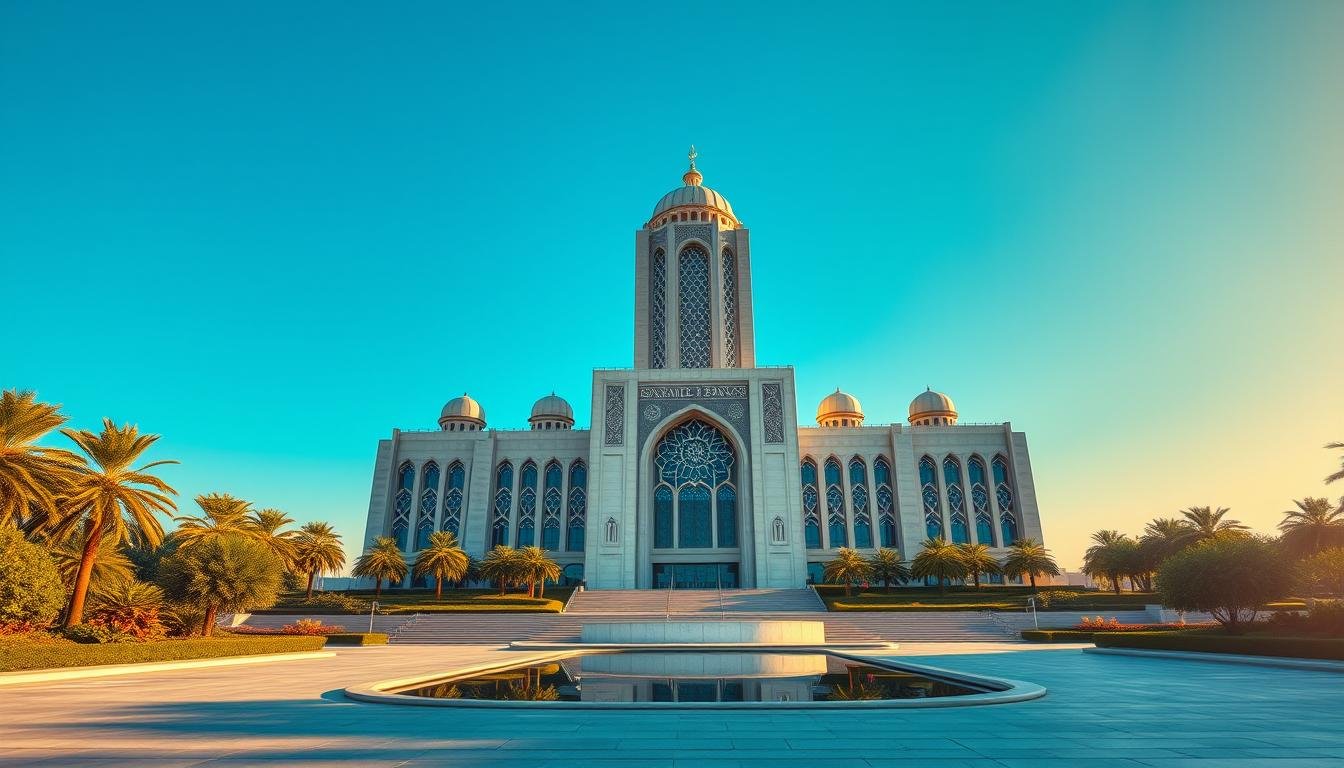
What if a financial institution could simultaneously honor centuries-old ethical principles while building the future for millions? The Islamic Development Bank does exactly that.
Founded in 1975 through the Organisation of Islamic Cooperation, this multilateral development institution began with a powerful vision. It sought to uplift communities across member countries through ethical financing.
Headquartered in Jeddah, Saudi Arabia, the bank now serves 57 nations. Its mission focuses on poverty reduction and improving living standards.
With an AAA credit rating and over $70 billion in capital, it possesses significant financial strength. This enables large-scale investments in critical areas like infrastructure and energy projects.
The institution’s work now reaches one-fifth of the global population. It operates across four continents, making a substantial impact on sustainable growth.
Key Takeaways
- The Islamic Development Bank was established in 1975 through collective initiative
- It operates as a multilateral institution with 57 member nations
- The bank maintains headquarters in Jeddah, Saudi Arabia
- Its core mission focuses on poverty reduction and improving living standards
- The institution holds an AAA credit rating with substantial financial resources
- It primarily focuses on infrastructure and energy project financing
- The bank’s operations impact one-fifth of the world’s population
Understanding the Islamic Development Bank’s Mission and Foundation
Finance ministers from Muslim nations gathered with a shared purpose: to create a financial institution that would honor both development needs and religious principles. This vision materialized in 1973 through the Organisation of the Islamic Conference with crucial backing from King Faisal of Saudi Arabia.
The institution commenced operations in April 1975, addressing the growing demand for Shariah-compliant development financing. It represented a groundbreaking approach to international economic cooperation.
Historical Establishment and Growth
From its modest beginnings, the institution experienced remarkable expansion. The 2013 capital increase to $150 billion marked a significant milestone in its growth trajectory.
This financial enhancement dramatically increased its capacity to serve Muslim communities worldwide. The expansion enabled broader reach and more substantial impact across member nations.
The growth reflects both increasing demand for ethical financing and the institution’s proven effectiveness. It continues to adapt to global economic challenges while maintaining its core values.
Core Objectives and Development Philosophy
The institution’s foundation rests on Islamic finance principles that ensure ethical operations and promote economic justice. All activities adhere to Shariah-compliant standards, creating trust among member countries.
Core objectives include poverty reduction through targeted assistance and infrastructure development. The institution also focuses on technical programs that build local capacity and foster economic cooperation.
Its philosophy emphasizes sustainable, inclusive growth with long-term impacts rather than short-term gains. This approach integrates Islamic values into operations, aligning with cultural and religious contexts.
The institution facilitates trade and economic cooperation among member nations, enhancing regional integration. Partnerships with governments, private sectors, and civil society amplify its impact.
Historical decisions continue to inform current strategies and future directions. The original mission of improving human well-being remains central to all operations and initiatives.
Operations and Development Impact of the Islamic Development Bank
Strategic financing mechanisms enable this multilateral institution to address pressing global challenges effectively. Its operations span multiple sectors while maintaining strong financial foundations.
Financial Structure and AAA Credit Rating
The institution maintains exceptional financial stability with top-tier ratings from all major agencies. This AAA status allows cost-effective fundraising for high-impact initiatives.
Concessional loans and equity investments attract private sector participation. Blended finance approaches maximize resource mobilization across projects.
Key Development Projects and Initiatives
The Gao Bridge in Mali demonstrates transformative infrastructure impact. This project eliminated regional isolation while boosting trade activities.
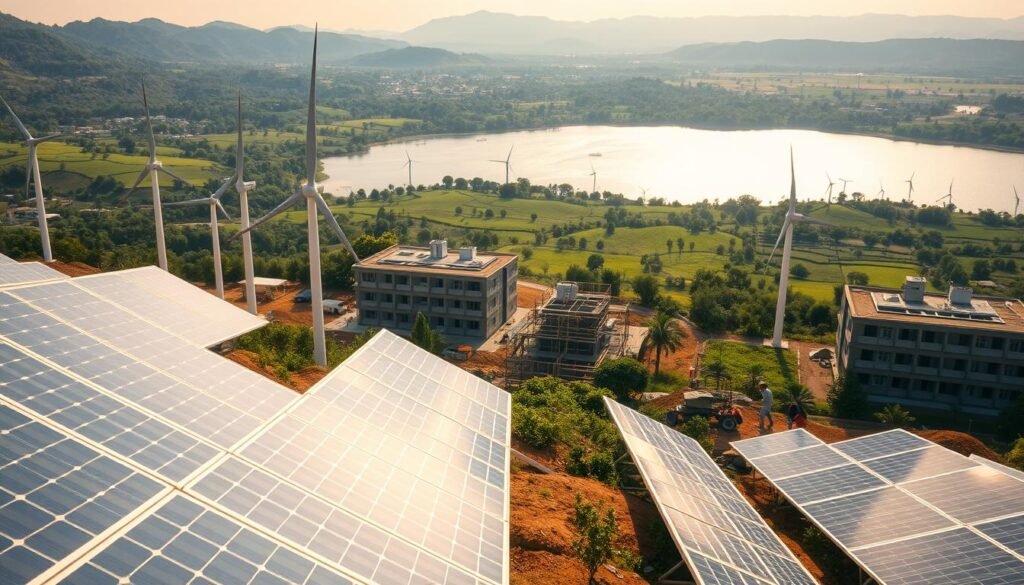
Renewable energy projects receive significant financing support. Smart grid systems and solar installations promote sustainability across member nations.
Climate adaptation initiatives include coastal protection and water management systems. These efforts build resilience against environmental challenges.
Focus on Sustainable Development Goals
All operations align with United Nations SDG targets. Project designs incorporate poverty reduction and environmental sustainability metrics.
The institution supports national climate commitments through Green Climate Fund partnerships. Technical assistance programs build local planning capacities.
Emergency relief efforts provide immediate crisis response to affected communities. These diverse initiatives collectively improve quality of life indicators.
Through integrated approaches, the organization drives meaningful progress across its operational regions. Sustainable outcomes remain the central focus of all activities.
Global Reach and Membership Structure
Across continents and cultures, this financial institution maintains a truly global footprint. Its network spans diverse regions while maintaining unified ethical standards.
The organization’s strength comes from its broad coalition of nations. Each partner contributes to shared goals of progress and stability.
57 Member Countries and Regional Distribution
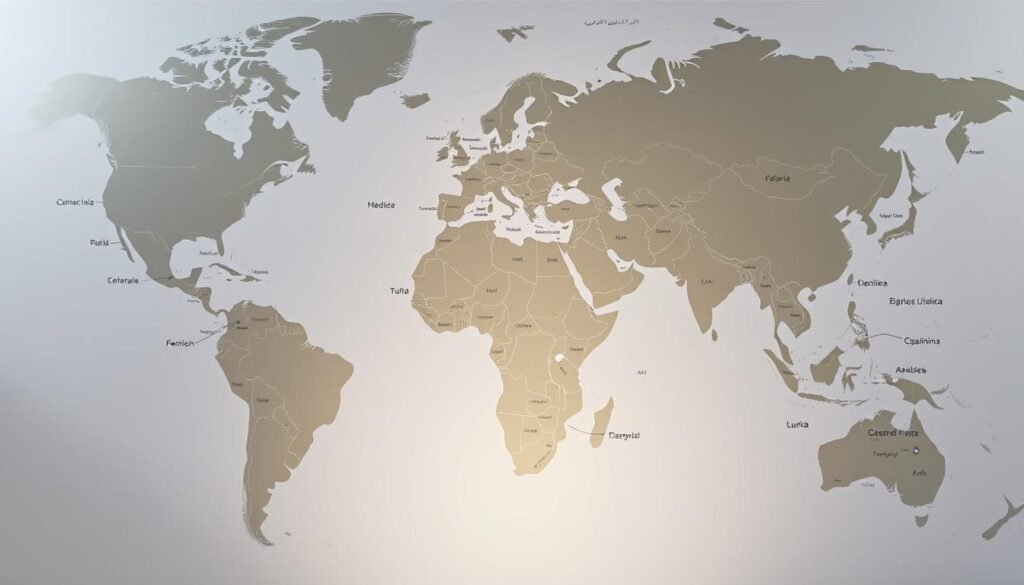
Fifty-seven nations form the core membership across four continents. This geographic diversity creates a powerful platform for international cooperation.
African nations represent a significant portion of member countries. Asian members contribute substantial economic and cultural diversity.
European and American participation completes the global network. This widespread presence enables tailored approaches to regional challenges.
Membership requires affiliation with the Organisation of Islamic Cooperation. Capital contributions demonstrate commitment to shared objectives.
The distribution reflects areas with significant Muslim populations. It also aligns with regions needing substantial development assistance.
Major Shareholders and Capital Contributions
Saudi Arabia leads as the largest shareholder with 22.5% contribution. This reflects its founding role and ongoing commitment.
Libya follows with 9.03% of capital investment. Indonesia maintains 7.94% while Iran contributes 7.90%.
Nigeria completes the top five with 7.33% share. These investments guide strategic direction and priority setting.
Capital structure ensures democratic decision-making processes. The Board of Governors represents all member interests equally.
Regional Hubs and Operational Presence
Regional hubs in Morocco, Malaysia, Kazakhstan, and Senegal decentralize operations. Gateway offices extend reach to Egypt, Turkey, and Indonesia.
Additional offices serve Bangladesh and Nigeria’s specific needs. This network ensures understanding of local contexts and challenges.
Field presence enables customized project designs and timely support. It enhances program relevance and effectiveness across regions.
This structure fosters south-south cooperation and knowledge sharing. Member nations exchange resources and best practices directly.
Observer status at the United Nations General Assembly confirms global recognition. The institution contributes meaningfully to international development dialogues.
Through this extensive network, the organization amplifies its sustainable impact worldwide. Diverse membership and strategic presence drive collective progress.
Conclusion
Through decades of dedicated service, this multilateral organization has demonstrated how principles-based financing can drive meaningful progress.
The institution maintains exceptional financial strength with its AAA rating. Its projects like the Gao Bridge show tangible impacts on communities.
Global reach across 57 nations enables tailored solutions for diverse needs. All operations align with Sustainable Development Goals for maximum effect.
Future efforts will tackle climate change and economic disparities through innovation. Ethical approaches ensure transparency and lasting benefits.
Collaboration remains key to amplifying positive outcomes. Explore partnership opportunities to join this transformative work.
The organization continues its vital mission of fostering human advancement through sustainable actions.
FAQ
What is the primary goal of this multilateral institution?
The institution focuses on fostering social and economic progress across its member nations. It provides financial backing for projects in infrastructure, education, health, and agriculture to reduce poverty and promote prosperity.
How many member countries does the organization have?
It has 57 member countries. These nations are primarily located in Asia, Africa, Europe, and Latin America, working together for shared economic advancement.
Where is the headquarters located?
The main headquarters is in Jeddah, Saudi Arabia. This central location supports its operations and coordination across its diverse membership base.
What kind of financial products does it offer?
It offers Sharia-compliant financing tools. These include project financing, trade finance, and special funds for technical assistance and research to support sustainable growth.
How does it support sustainable development?
It aligns its projects with global sustainability goals. This includes investing in renewable energy, climate resilience, and initiatives that promote inclusive and environmentally friendly growth.
What is its credit rating?
It holds a AAA credit rating from major agencies. This top-tier rating reflects its strong financial stability and prudent management, allowing it to raise funds effectively.